The Current State of UK Horse Racing: What Happens When It’s Not On?
The United Kingdom has a rich history of horse racing, deeply embedded in its culture and economy. However, various factors can lead to the suspension of racing events. This article explores the implications of UK horse racing not taking place, discussing its impact on various sectors and what alternatives exist. For more information on horse racing in the UK, visit UK Horse Racing Not on GamStop https://norfolksupracing.co.uk/.
The Essence of Horse Racing in the UK
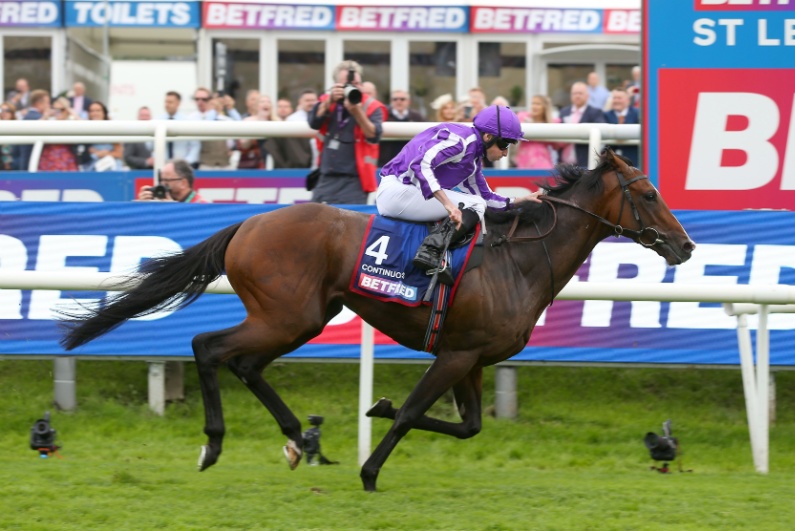
Horse racing is often considered the sport of kings in the UK. With its origins dating back to ancient times, it has evolved into a structured and highly regulated sport that attracts millions of spectators both on-site and through various media formats. Major races like The Grand National, Royal Ascot, and the Epsom Derby are calendar highlights, drawing attention not just for the competition, but for the social experience that accompanies these events.
The Economic Impact of Racing Events
When horse racing is not taking place, the economic ramifications can be significant. The industry contributes billions to the UK economy, supporting thousands of jobs directly and indirectly. Racecourses, betting shops, and associated businesses like hospitality and tourism heavily rely on the influx of race-goers. The absence of racing can lead to:
- Job Losses: Employees in the racing industry, from stable hands to track officials, face uncertainty and potential unemployment.
- Loss of Revenue: Local businesses, including hotels, restaurants, and shops in racing regions experience reduced income, especially during peak racing seasons.
- Impact on Betting Markets: The betting industry sees a significant decrease in turnover, which can influence the financial health of bookmakers, leading to further economic downsizing.
Cultural Consequences
Horse racing isn’t just an economic fixture; it’s also a cultural phenomenon. When racing events are cancelled, there’s a noticeable impact on the social fabric of communities involved in and around the sport. Key areas affected include:
- Loss of Community Engagement: Events at racecourses often serve as community gatherings, allowing people to connect, celebrate, and engage. Absence of these events can lead to a sense of isolation.
- Cultural Heritage: Traditional practices linked to racing, such as fashion trends at race days or local fairs, may suffer. The loss of the cultural events associated with the races diminishes the UK’s rich heritage.
- Disruption of Entertainment: Many families and individuals look forward to the excitement of race days. The cancellation erodes a sense of anticipation and alters leisure activities.
Exploring Alternatives During Suspension Periods
While the absence of horse racing creates challenges, it also opens doors to alternative activities and engagements. The UK has a variety of entertainment options that can capture the spirit of horse racing albeit in different forms:

- Virtual Racing: The advent of technology allows fans to participate in virtual racing. While it doesn’t replace live races, it can provide an engaging alternative for betting enthusiasts.
- Online Gaming and Gambling: The digital transformation offers various gaming and betting opportunities that can fill the void until racing resumes.
- Local Sporting Events: Other sports such as football, rugby, and cricket can gain attention and attendance during horse racing off-seasons, potentially drawing the same audiences.
- Cultural Festivals: Communities can organize local festivals that celebrate equestrian culture or other local traditions, ensuring that the spirit of horse racing lives on.
Future of Horse Racing in the UK
The future of horse racing will inevitably face challenges, including the need to adapt to changing societal attitudes towards animal welfare and sustainability. Ensuring the sport’s continuity may involve reforms that address these concerns while engaging a broader audience. Potential strategies could include:
- Enhancing Animal Welfare: Implementing and promoting better standards for the care and training of racehorses.
- Diversity and Inclusion Initiatives: Making the sport more accessible and appealing to a diverse audience through targeted outreach and community programs.
- Embracing Technology: Utilizing technology to enhance the spectator experience both physically at tracks and virtually.
Conclusion
Horse racing in the UK is a significant aspect of the national identity, bringing together communities and contributing to the economy in several ways. However, suspensions of racing events due to various factors highlight the fragility of this popular sport. The consequences of UK horse racing not being on are profound, affecting economic stability, cultural engagement, and personal enjoyment for many. It is essential for the industry to adapt and evolve, ensuring that it remains a cherished part of British culture for generations to come.